
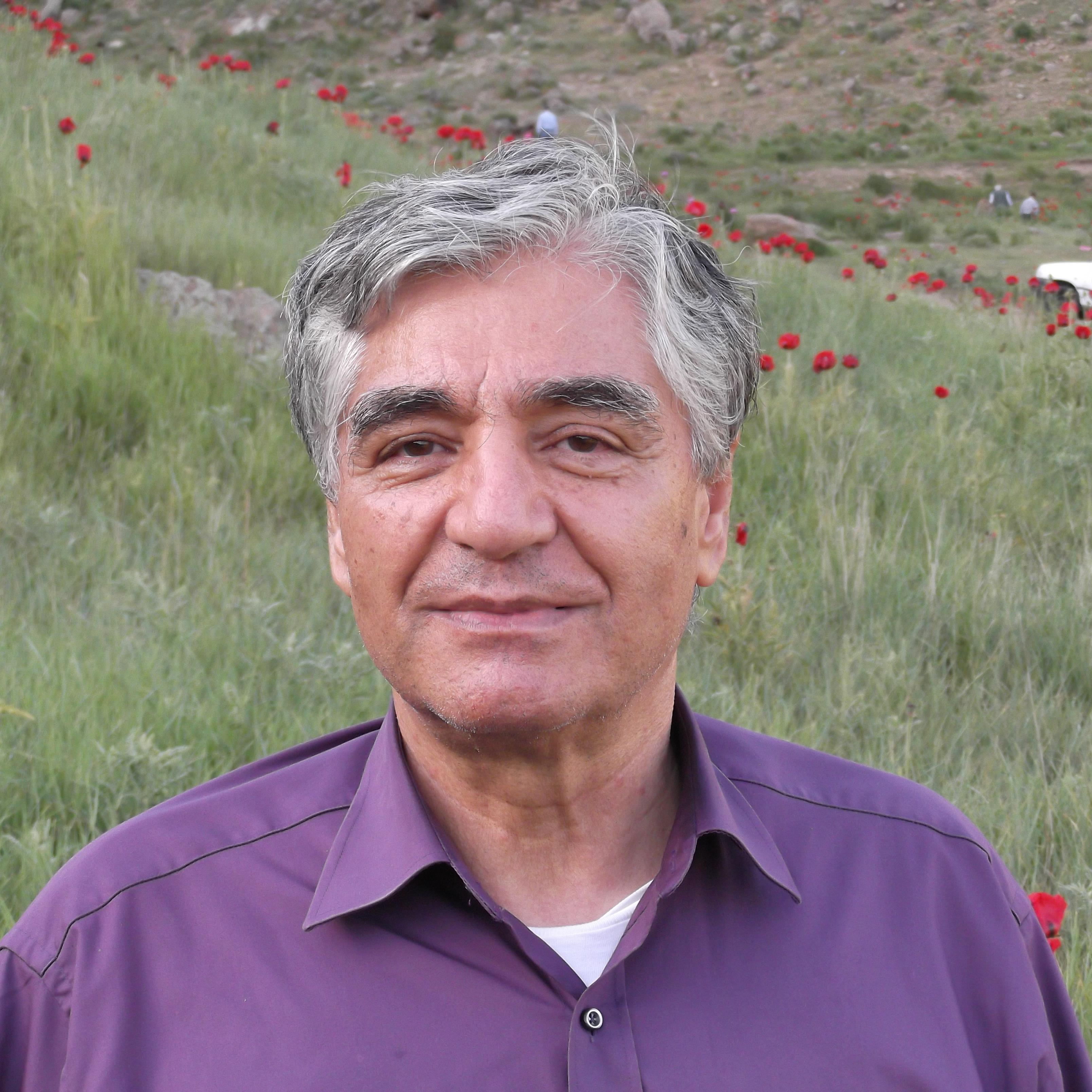
Celebrating the Life of
Bijan Esfandiari
September 27, 1942 — March 3, 2024
About Bijan
Former Professor
Obituary
Professor Bijan Esfandiari passed away in Tehran on March 3, 2024 , at the age of 82 . He will be greatly missed.
Memories and Condolences
Please share a photo or video, or post a heartfelt condolence to the family.
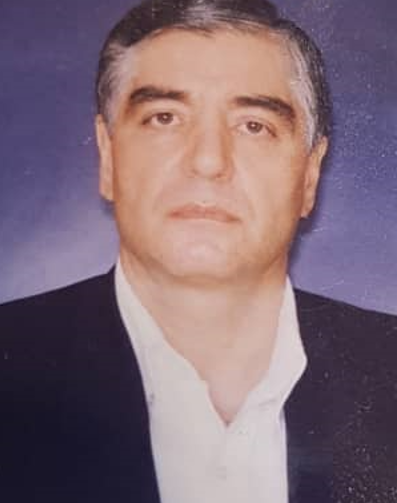
Dr. Bijan Esfandiari
Memories of a field camp with Dr. Bijan Esfandiari remain vivid, etched with intricate details. In June 1970, the geology class of 1969 at the University of Tehran embarked on their required undergraduate field camp led by professors Assad Pannah (Iranpanah) and Bijan Esfandiari. Our destination lay near the city of Qom, situated 150 kilometers south of Tehran. Famous for its folded Oligo-Miocene strata teeming with fossils, the region boasted the illustrious Qom Formation. This buff-colored formation sits between older and younger red beds, creating striking landscapes. In this area, the variety of rock formations and small-scale folds provide an ideal environment for learning geological mapping skills. During the camp, students were divided into six groups, each assigned to map a designated area. On the second day, our group was dropped off to survey the west plunge of Kuh-e-Mil anticline, approximately 10 kilometers southwest of the famous Qom salt dome. Another team—comprising the late Shahrokh Asaad Bakhtiari, late Mohsen Hallaj Neishabouri, and three other students, was dropped off along a pipeline road to walk toward the core of Kamar Kuh anticline. It was a scorching hot day, with temperatures exceeding 40 degrees Celsius and scarce signs of water or shelter. The landscape revealed nothing but bare rocks, dried-out bushes with thorns, and lurking venomous snakes. Despite these harsh conditions, we completed our mapping task and returned to the designated point on schedule. However, the other team encountered some challenges. They had run out of water by noon, leaving them fatigued and disoriented. Some wanted to finish the project, while others suggested going back to find water. Unable to agree, they split up. Shahrokh, the only student who returned to the meeting spot, reported that the others were missing. We drove up and down the road twice and checked the surroundings and shouted the names of the missing students, but there was no trace. Recognizing the gravity of the situation, professors decided to drive back to the city to get help. Dr. Esfandiari, took action and arranged for help from the gendarmerie force station, utilizing his father's connections as an army general. The gendarmerie commander promptly dispatched two Jeeps equipped with overhead projectors. With the aid of these projectors and vociferous calls for the missing students, we managed to pinpoint their whereabouts, ensuring their safety. The final student was located around 11 pm, hitchhiking by the main road. If it wasn’t for Dr. Esfandiari's quick thinking and determination, the rescue mission would have been much harder. He was deeply concerned for the students' safety and did everything possible to find them.
باور اینکه بیژن اسفندیاری در میان ما نیست، سخت است. همه بیژن را با صدای رسا و پرانرژی و گفتار شمرده خاص او می شناسیم؛ با آن میز کار متفاوت؛ با تلی درهم ریخته از کتاب. با دکتر اسفندیاری از سال 1356 آشنا شدم که دانشجویی تازه وارد بودم. علاقه به خواندن متون انگلیسی و ترجمه، سبب شد از 1363 با مرکز نشر دانشگاهی آشنا شوم؛ و این زمانی بود که بیژن مسئولیت بررسی و نشر کتاب های زمین شناسی و معدن را پذیرفته بود. با بیژن، محمد دانش و ترجمه و ویرایش بیشتر آشنا شدم. پاک سرشت و پاک طینت بود و در مروت و آزادگی ثابت قدم. در عین صفا و صمیمیت و طبیعت خاکی، بسیار مبادی آداب بود؛ آشنا به متون فارسی و سخنوری توانا؛ هر کلمه و عبارت و جمله را با چیرگی و ظرافت خاص خود، دلنشین بیان می کرد. بسیار مردمدار بود؛ به دانشجو بسیار احترام می گذاشت و همیشه برای دانشجو وقت داشت. ذهن تیز و کنجکاو و حافظه بی مانند؛ همه چیز از زمانی که در سن 17 سالگی برای ادامه تحصیل به آمریکا می رود تا زمانی که بازمی گردد، در دانشگاه تهران استخدام می شود، معلم است و مدتی مسئولیت های اداری را می پذیرد؛ اواخر دهه 40 و دهه 50 و دانشجویان آن زمانه، تا همکاران و مدیران دانشگاه، و تا بعدها و تغییر و تحول اجتماعی، همه چیز ثبت شده است و به فراخور زمان و مکان، بازگو می شود. خیلی چیزها را می دید؛ چشم برمی بست و عیب پوش بود. بیژن از میان ما رفت؛ یاد او و میراث او، پاک سرشتیاش، دستگیریاش، جوانمردی و بزرگ منشیاش، هرگز
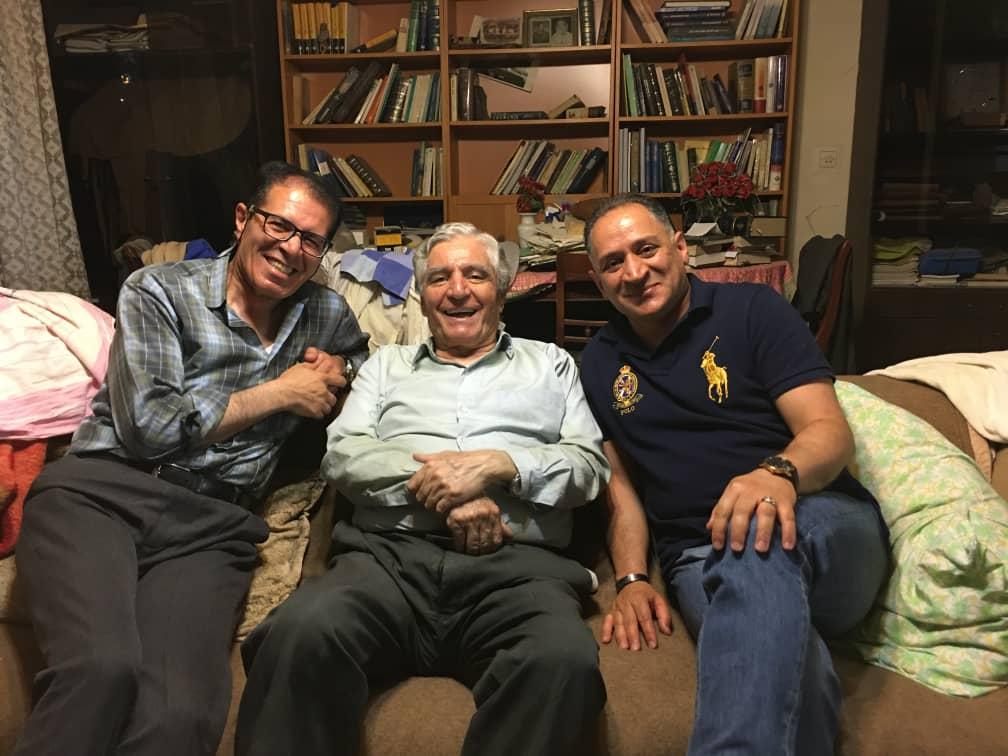
Me, prf. Bijan Esfandiari, M.Banki.

Bijan was a unique beloved teacher who devoted his prosperous life to teaching both science and loyalty to truth while seriously trying to preserve his human dignity away from the flattery. His presence in the Faculty of Science of University of Tehran was a brilliant center of gravity for his colleagues and students while true science and humanity were still honored by the society. May his memory be cherished Mohammad R. (Bizhan) Ghassemi
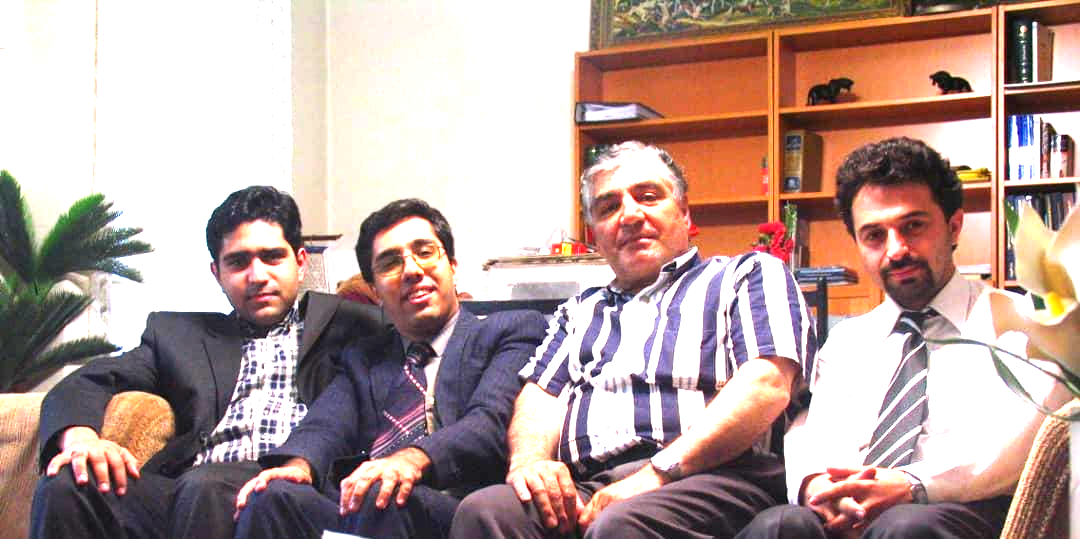
Enhanced picture sent by Mr. Peyman Afzal
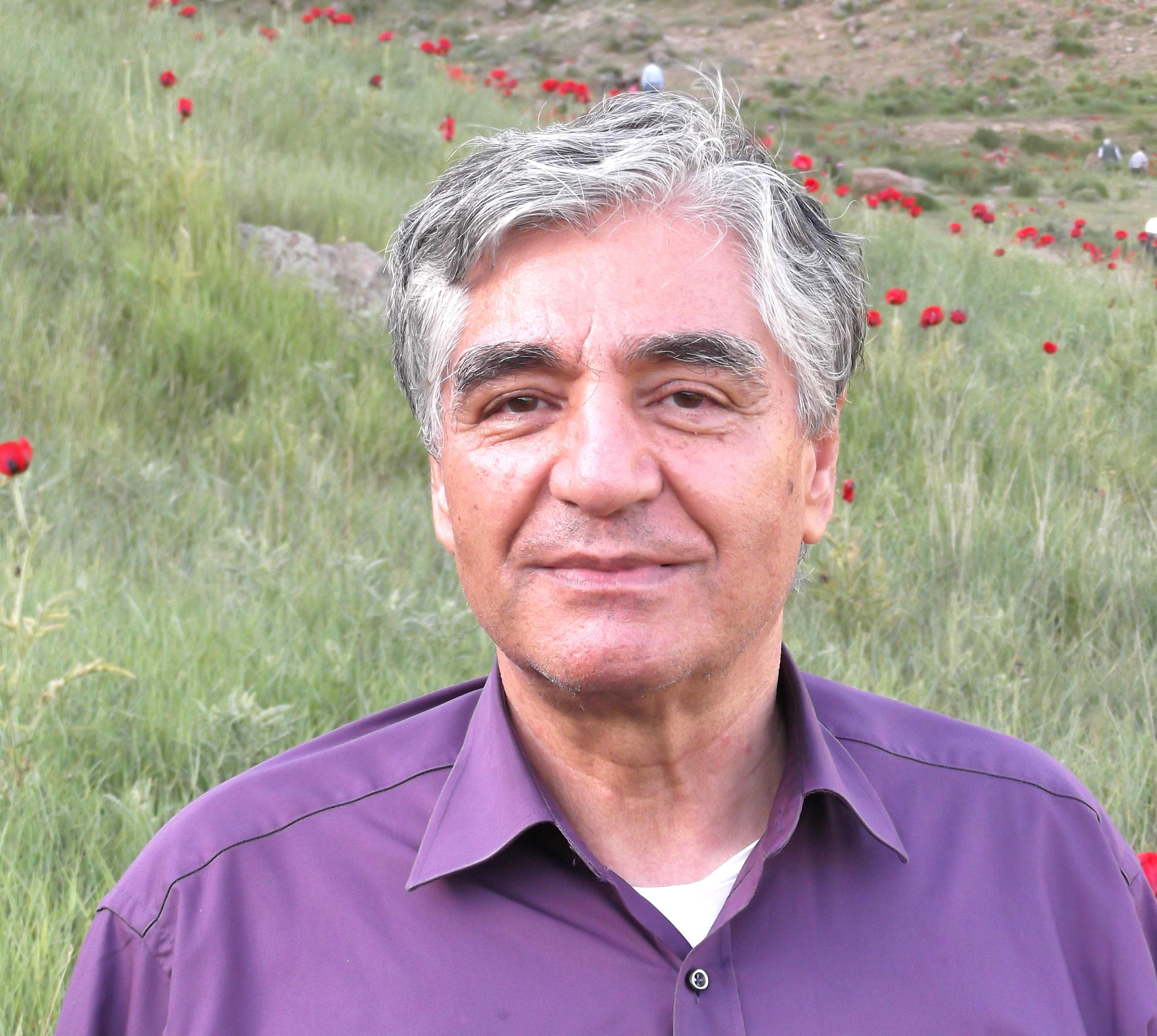
Dr. Bijan Esfandiari (summer 2013)
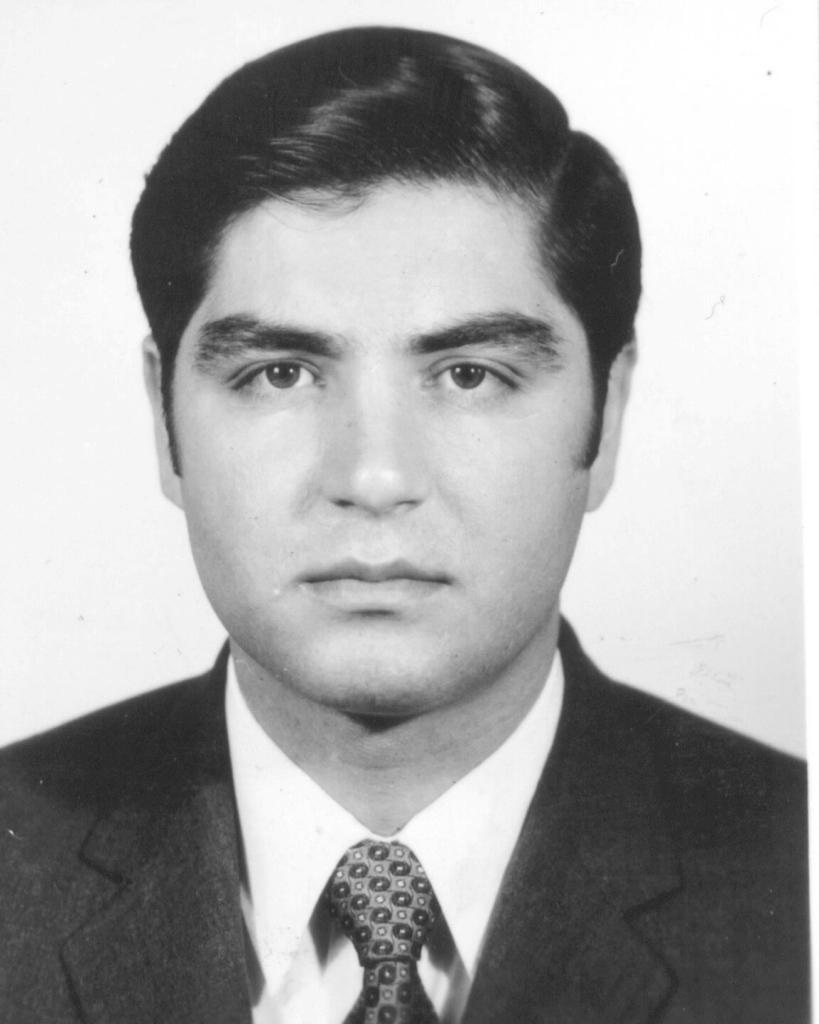
Young Dr. Bijan Esfandiari, as I remember him. RIP.
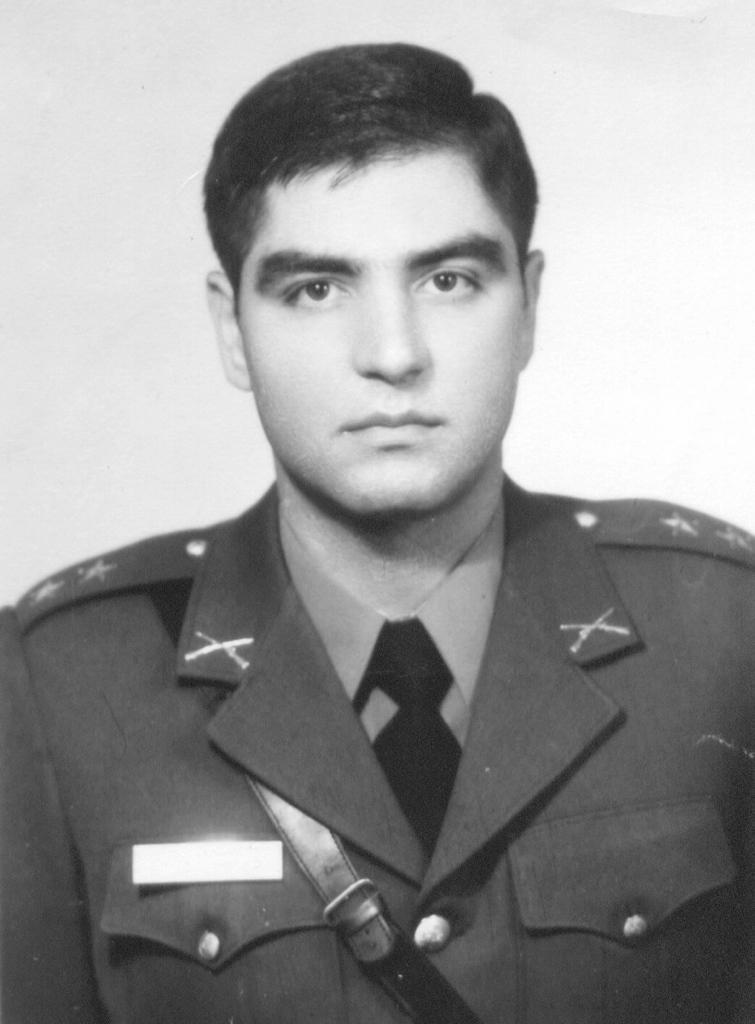
Young Bijan Esfandiari after his return to Iran, during compulsive military service.
Reflecting on memories serves to alleviate the sorrow of losing loved ones. The departure of Dr. Bijan Esfandiari, a distinguished geology professor, from our midst compels us to delve into the annals of the Geology Department at the University of Tehran and the indelible mark he left on the legendary Classroom 202. An examination of this historical narrative would be incomplete without acknowledging his presence – characterized by a striking countenance, resolute voice, and endearing personality. The rhetorical query arises: can discussions on virtues such as kindness, camaraderie, liberal-mindedness, and independence transpire without invoking the memory of Dr. Esfandiari? The enduring impact of his persona during those formative years continues to resonate. His office, a repository of myriad vibrant scenes etched in memory, attests to the lasting impression he made. My inaugural encounter with Dr. Esfandiari transpired in the late summer of 1970, on the inaugural day of registration for new entrants. Tasked with obtaining the requisite signature from the department head, Dr. Cyrus Zaraian, I navigated the hushed corridors of the Geology Department, where the rural admissions were yet to materialize. In proximity to Class 202, as I approached the geology museum, a figure clad in military attire was opening the door to the room across. Before I could articulate a query or seek directions, my presence and the document in my hand unveiled the purpose of my visit. Identifying himself as Dr. Esfandiari, he elicited my name amidst my palpable unease. Rather than exchanging words, my gaze fixated on his youthfulness and the incongruity of his loose-fitting military uniform – a departure from the stereotypical image of a professor. His demeanor stood in stark contrast to the solemn antiquity pervading the environment, from the grandiose faculty structure symbolizing the era of national modernization to the formal comportment of professors hitherto encountered. Younger than my preceding educators, Dr. Esfandiari directed me to visit his office after securing the necessary signature. A recent arrival from America at the age of twenty-seven, he balanced military training at Farahabad Barracks with preparations to teach in the upcoming semester. His office, adorned with scattered English books on shelves, desks, and even chairs, captivated my attention. My curiosity was piqued by a volume authored by him – his doctoral thesis conducted at the University of Oklahoma, titled "Geochemistry and Geology of Helium." Recognizing my interest in chemistry, he presented Brian Mason's Principles of Geochemistry as the seminal work in the field, affirming his intention to include it in our future curriculum. This encounter provided a roadmap, leaving an indelible impression that prompted me to explore American textbooks and discern the trajectory of my academic pursuits. Dr. Esfandiari's distinct pedagogical approach became increasingly evident in Class 202. Rather than adhering to conventional texts, the curriculum shifted to the teachings of physical geology by Leet and Judson. For the first time, concepts such as "thermodynamics" in geochemistry and "elasticity modules" in geophysics permeated our academic discourse. In retrospect, numerous students in Class 202 found guidance, scientific motivation, and forged pathways towards novel disciplines under his tutelage. Recognizing the dearth of educational resources, Dr. Esfandiari spearheaded efforts to translate classic American works. Noteworthy translations included Peter Wyllie's "Dynamic Earth" and Frank Press's "Physical Geology." Hasanipak, a postgraduate student under his mentorship, played a pivotal role in translating the textbook “Thermodynamics for Geologists.” During fieldwork in the Parandak (Saveh) area in 1972, I witnessed Hasanipak's expression of gratitude towards influential professors, employing a dramatic plea for forgiveness, "May Lord forgive Bijan Esfandiari PhD," extended to two other professors, Asad Iranpanah and Abbas Kimyai, as well. This expression acknowledged the professors who opened new horizons for students. In addition to his academic endeavors, Dr. Esfandiari assumed administrative responsibilities at the University of Tehran, offering advice to students with their academic challenges. He also served as the deputy of Kerman University for a period. Despite these multifaceted qualities, Dr. Bijan Esfandiari's unique rapport with students disrupted the conventional pattern of professor-student relationships within the academic confines of the university, prompting a gradual transformation in the interactions between students and department professors. Amidst these academic pursuits, the Pontiac he imported from America, affectionately named "Rakhsh," seemed to materialize from the cinematic realm of "French Connection." The presence of this distinctive green vehicle became synonymous with Bijan's presence, whether within the university or elsewhere. As time elapsed and circumstances underwent metamorphosis, eminent figures of the university were compelled to depart the country hastily. However, Bijan remained steadfast in his individuality, akin to the noble element at the core of his doctoral thesis: honorable and independent. His principles were incongruent with the emerging elements of change. During the Cultural Revolution, he was invited to the university publishing center, contributing significantly to the translation of scientific texts. Among those fervently engaged in translating under Dr. Esfandiari's guidance was Mohammad Danesh, an expelled student during the Cultural Revolution. His translations of numerous books on mining and industry into Persian garnered respect. Dr. Esfandiari held Mohammad Danesh in high regard, endearingly referring to him as the "Vizier of Egypt," drawing a parallel to the status of Joseph of Kanaan in the court of Pharaoh. Bijan paid homage to the eminent pioneers of the university, recalling with respect Dr. Abdulah Sheibani, the biology professor and president of the University of Tehran, and Dr. Fereidoun Sarabi, the earth sciences professor at the Faculty of Technology. The image of Bijan, characterized by youthfulness, elegance, and unwavering resolve, remains etched in our collective consciousness. He stood as a symbol of camaraderie, solidarity, and manliness, enduring injustices without reciprocation. Promotion devoid of ethical considerations held no allure for him. Amidst the tumultuous era, he carved his niche as a knight errant, leaving an enduring legacy of human values. Let us cherish the memory of Dr. Bijan Esfandiari.
بازگو کردن خاطره، غم از دست رفتن عزیزان را از دل می شوید. دکتر بیژن اسفندیاری از میان ما رفت اما مگر می شود حرف از کلاس درس فراموش نشدنی 202 و تاریخ گروه زمین شناسی دانشگاه تهران و مرکز نشر دانشگاهی زد و حضورش را با آن سیمای جذاب، صدای محکم و شخصیت دوست داشتنی حس نکرد؟ مگر می شود از بزرگ منشی، رفاقت، آزادگی و بی نیازی سخن گفت و او را به یاد نیاورد؟ خاطرات تاثیر گذار آن سالها در مورد شخصیت او هنوز زنده اند. دفترکارش حافظه هزاران صحنه رنگارنگ است. اولین باری که او را دیدم اواخر تابستان 1349 بود، در روز اول ثبت نام ورودی های جدید. برگه ای که آموزش دانشکده داده بود را باید برای گرفتن امضا پیش مدیر گروه یعنی دکتر سیروس زرعیان می بردم. دانشکده بسیار خلوت بود چون قبولی های شهرستانی هنوز از راه نرسیده بودند. در سکوت از راهروی ناآشنا و خنک گروه گذشتم. به سمت موزه زمین شناسی که پیچیدم شخصی در لباس سربازی داشت درب اتاق روبروی کلاس 202 را باز می کرد. پیش از آن که چیزی بگویم یا محل مورد نظر را بپرسم از ظاهرم و آن برگه که در دستم بود فهمید که چرا آنجا هستم. خودش را دکتر اسفندیاری معرفی کرد و من هم اسم ام را گفتم. به جای هر حرفی، چشمانم در آن لحظه خیره بود به جوانی او و همینطور آن لباس سربازی گل و گشاد که هیچکدام با تصویر کلیشه ای از یک استاد نمی خواند. همه چیزش با عتیقگی سهمگین آن محیط – از بنای عظیم دانشکده با سقف های بلند و دیوارهای پهن که نماد دوران نوسازی کشور بود گرفته، تا استادان تمام رسمی که تا آن ساعت یکی دو تایشان را دیده بودم – فرق داشت. او از دبیران قبلی ام هم جوانتر بود. خواست که بعد از گرفتن امضا او را در دفتر کارش ببینم. تازه از آمریکا آمده بود، در بیست و هفت سالگی اش. در پادگان فرح آباد، آموزش نظامی را می گذراند و در عین حال آماده می شد برای تدریس در ترم پاییز. کتاب های به زبان انگلیسی همه جای دفتر کارش ولو بود، در قفسه ها، روی میز و حتی روی صندلی ها. چشمم با ولع روی کتابها می چرخید. مجلدی که تالیف خودش بود کنجکاویم را بر انگیخت. توضیح داد که رساله دکتری اش است که در دانشگاه اکلاهما انجام داده. عنوان اش ژیوشیمی و زمین شناسی هلیوم بود. وقتی علاقه ام به شیمی را شنید کتاب برایان میسون را نشانم داد و گفت انجیل ژیوشیمی است و در آینده برای ما تدریس خواهد کرد. آن ملاقات، نقشه راه را دستم داد. آن قدر تاثیر داشت که بفهمم باید کتاب های درسی آمریکایی را بخوانم و مقصدم برای ادامه تحصیل کجا باشد. به زودی فرق اش با دیگر استادان بیشتر دیده شد. در کلاس 202 به جای جزوه بازمانده از زمانهای پیشین اکنون زمین شناسی فیزیکی لیت اند جادسون تدریس می شد و برای نخستین بار حرف از ترمودینامیک در ژیوشیمی و مدول های الاستیسیته در ژیوفیزیک به گوش ها می رسید. امروز که نگاه می کنم می بینم که چه بسیار دانشجویان در آن کلاس 202 از او راهنمایی گرفتند و در دفتر کارش انگیزه علمی و راه خود را به سوی آینده ای در عرصه های نو یافتند. اهمیت ترجمه کتاب های درسی آمریکایی برای پر کردن خلا یاس آور موجود از بابت منابع درسی برایش پر رنگ بود. از این رو خود و تنی چند از دانشجویانش به راهنمایی او دست به ترجمه کارهای کلاسیک زدند. از جمله کتابهایی که در آن سالها بسیار توصیه می کرد برای خواندن، یکی "زمین پویا"ی پیتر وایلی، پترولوژیست دانشگاه های شیکاگو و کلتک بود و دیگری زمین شناسی فیزیکی فرانک پرس، استاد ژیوفیزیک کلتک و مشاور علمی کاخ سفید بودند. روانشاد دکترحسنی پاک یکی از پیشگامان ترجمه در آن برهه بود. او تازه دوره فوق لیسانس را شروع کرده بود اما راهش را در یادگیری مبانی ژیوشیمی خوب می شناخت و با راهنمایی بیژن دست اندر کار ترجمه کتاب ترمودینامیک برای زمین شناسان بود. ابراز قدردانی حسنی پاک از استادان تاثیرگذار گروه در فیلدی که سال 1351 در پرندک ساوه همراه اش بودم خیلی جالب بود. به طرزی نمایشی می گفت "الهم مغفرلی بیژن اسفندیاری پی اچ دی." این عبارت آمرزش طلبی را به اسد ایران پناه و عباس کیمیایی هم تسری می داد. اشاره اش به استادانی بود که افق های تازه و جهانی پیش چشمانت می گشودند. در کنار همه این فعالیتها، دکتر اسفندیاری معاونت اداره آموزش دانشگاه تهران را عهده دار بود و در آن مقام چه مشکل گشای دانشجویان که نبود. مدتی نیز معاون دانشگاه کرمان شد. با تمام این ویژگی ها، رفاقت بی نظیر دکتر بیژن اسفندیاری با دانشجویان – البته که در عین رعایت موازین دانشگاهی- الگوی رایج رابطه استاد با دانشجو را بر هم زده بود و بسیاری از استادان گروه از بابت ارتباط با دانشجویان به تدریج عوض می شدند. همه اینها به کنار، پونتیاکی که از آمریکا آورده بود و "رخش" می نامید، گویی از دل فیلم های هالیوودی مانند "ارتباط فرانسوی" بیرون آمده بود. هر جا که در دانشگاه یا بیرون، آن رخش پر هیبت سبز رنگ را می دیدی می دانستی بیژن آنجاست. زمان گذشت و روزگار، دیگر شد. بزرگانی از دانشگاه ناگزیر از ترک وطن شدند و بعضی چه شتابان برای پر کردن جای خالی آنها مهیا گشتند - به هر قیمت. بیژن اما خودش بود. مانند همان عنصر موضوع رساله اش: نجیب و بی نیاز از گرفتن و دادن. و از این روی، ناسازگار با عناصر نوظهور. با انقلاب فرهنگی، به مرکز نشر دانشگاهی دعوت شد و در آنجا در گسترش ترجمه متون علمی منشا اثر بود. از کسانی که زیر راهنمایی دکتر اسفندیاری خود را عاشقانه وقف ترجمه کردند زنده یاد محمد دانش از دانشجویان حذفی در انقلاب فرهنگی بود که کتابهای بسیاری در زمینه معدن و صنعت را به فارسی برگرداند. دکتر اسفندیاری محمد دانش را بسیار گرامی می داشت و به کنایه عزیز مصرش می خواند، در اشاره به داستان ترفیع یوسف نزد فرعون پس از در چاه فکنده شدن به دست برادران. بیژن، پیشکسوتان فاضل و شریف دانشگاه را ارج می نهاد. از دکتر عبداله شیبانی، استاد زیست شناسی و رییس سرفراز دانشگاه تهران پیش از انقلاب و دکتر فریدون سرابی، استاد علوم زمین دانشکده فنی با احترام یاد می کرد. تصویر بیژن با همان جوانی، آراستگی و استواری در برابرمان است. او نماد رفاقت، یکرنگی و مردانگی بود. جفا دید اما جفا روا نداشت. بی رعایت اخلاق، هر ترفیعی برایش پوچ بود. او به راستی در میان عیاران زمانه ما جای داشت. ارزش های انسانی اش را پاس بداریم. یادش گرامی
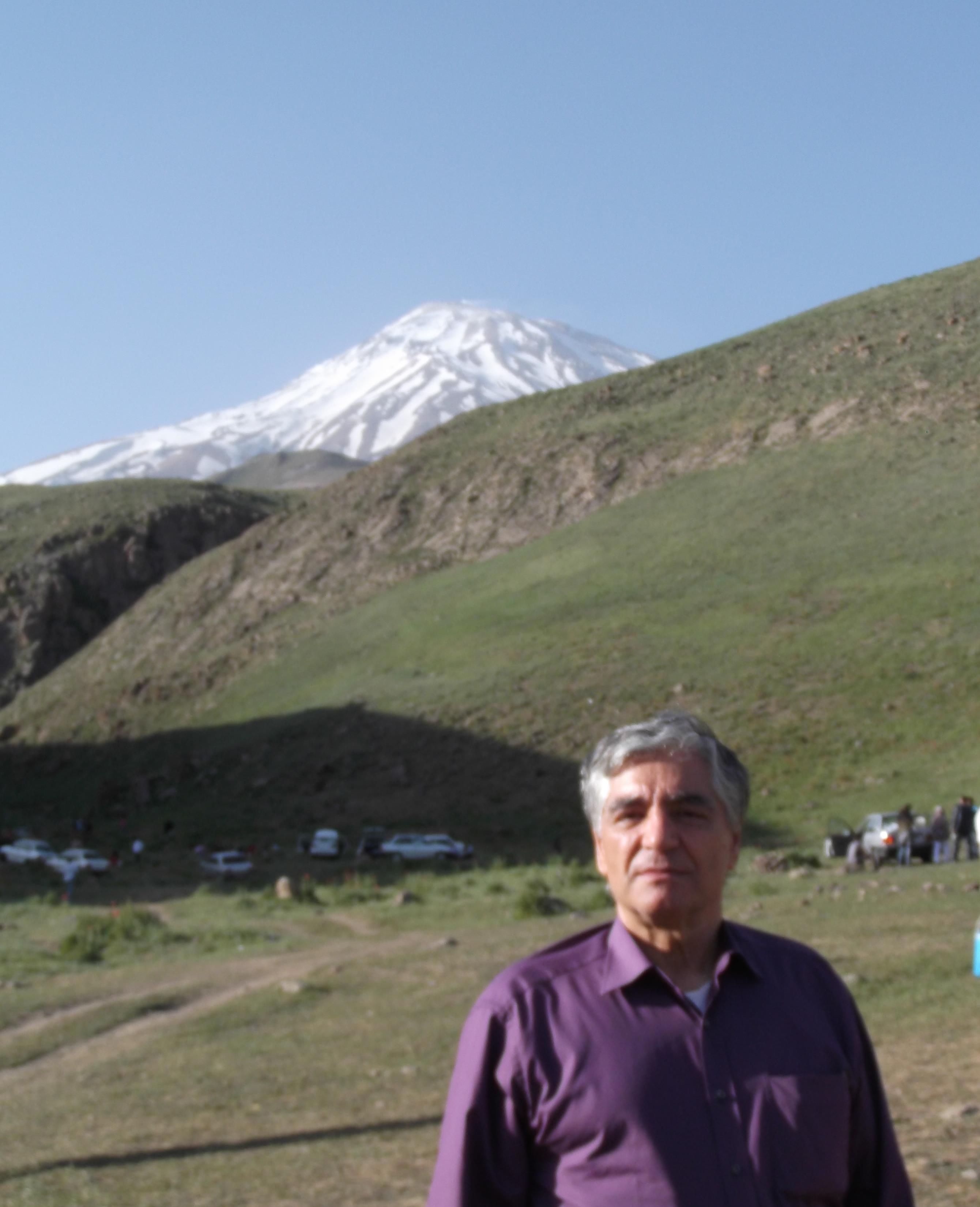
Dr. Bijan Esfandiari with Damavand volcano (northern Iran) in background.
Dying lovers do not truly die; in a fresh lamp, they kindle anew. It has been forty-eight years since I distanced myself from my homeland, yet hearing the heartbreaking news has brought my soul and essence back to Iran—an ethereal announcement of the passing of Dr. Bijan Esfandiari, a dignified figure who bore the mantle of professorship at the University of Tehran. I had the previlage to be a student of his, and later, a friend--an honor I will cherish throughout my life. The academic journey is a golden opportunity, not only for acquiring knowledge and skills but also for the refinement of the raw and unpolished character of youth, which, prior to this, emerges abruptly from the simplicity of childhood into the real world. Many professors in every university worldwide are mandated to follow a dictated path, executing a one-dimensional role like parrots, content that their mission has been fulfilled. However, rare are the men and women who, in this sacred garb, invest their very souls into the young and eager minds, imparting lessons of decency, courage, and virtuous living. Bijan Esfandiari was one of those rare mentors who, without any pretense, even without being aware of it, radiated light around him through his sincere demeanor and vibrant spirit, imparting to his disciples the lessons of integrity, manliness, and pure living. Bijan, a soul as pure as a clean mirror, could have easily been exploited by the countless opportunists buzzing around him. His behavior and conduct in the role of a professor were markedly different and remarkable, yet he never deviated from this path for the gratification of others. Bijan was himself—simple, trusting, sincere, open-minded, and fearlessly authentic. Perhaps I can liken him to Hafez, a pure-hearted libertine. In the years that I have been away from Iran, social conditions have created an atmosphere challenging the sincerity, authenticity, and integrity of individuals more than ever. In this trying environment, the esteemed professor emerged unscathed, with dignity, self-respect, and an untarnished soul. During a time when others were vying for personal gain and competing childishly, he withdrew from all such competitions, channeling his entire effort and energy into the university's publishing center. The yield of this sacrifice manifested explosively in scientific and technical writings, covering a wide range of diverse subjects, and in nurturing and encouraging skilled and unparalleled researchers like Mohammad Danesh and Ali Asghar Hasanipak, who brought about a significant transformation in the research, authorship, and translation of scientific texts. Dr. Esfandiari maintained enduring friendships and was steadfast. This quality, in his final years, caused his sensitive soul to suffer greatly from the actions of human-like beings, leading him to choose seclusion and isolation. His memory is cherished. If only we had more Bijan Esfandiaris in this wandering valley. Max Jameson Houston, Texas
مردن عاشق نمیمیراندش -- در چراغی تازه میگیراندش چهل و هشت سال است که از وطن دور ماندهام اما شنیدن خبری دردناک، روح و جانم را به ایران برگرداند—خبر آسمانی شدن دکتر بیژن اسفندیاری، بزرگمردی که حق استادی در دانشگاه تهران را به گردنم داشت و افتخار شاگردی و دوستیاش را داشتم و تا زندهام خواهم داشت. زندگی دانشجویی فرصتی طلاییست، نه تنها برای آموختن دانش و فن، بلکه برای آبدیده شدن شخصیت خام و ناپختهی جوانی که پیش از آن ساده لوحانه و ناگاه از دنیای واقعی به سر برده است. بسیاری از استادها در هر دانشگاه در دنیا، وظیفهای دیکته شده و یک بعدی را طوطی وار انجام میدهند و دلخوشند که ماموریت شان را به پایان رسانده اند. اما کمیابند مردان و زنانی که در این کسوت مقدس از جان مایه می گذارند و به این مغزهای جوان و تشنهی آموختن، درس انسانیت و انسان زیستن میدهند. بیژن اسفندیاری یکی از آن کم شمار مرادهایی بود که بی هیچ ادعایی، حتی بی آن که خودش بداند، با منش و رفتار خالصانه و روح زلال خودش به اطرافش نور می پاشید و به مریدانش درس مروت، جوانمردی و پاک زیستن میداد. بیژن، روحی داشت به صافی و پاکی آینه و بسیاری از مگسانی که به دور این مرد شیرین می پلکیدند، خیلی آسان می توانستند از او سودجویی کنند. رفتار و کردارش در نقش یک استاد از همکارانش بسیار متفاوت و تعجب انگیز بود، ولی او هیچگاه برای دلخوشی دیگران از این مسیر منحرف نشد. بیژن خودش بود—ساده، زودباور، صمیمی، رفیق باز و بسیار بی پروا. شاید بتوانم بگویم مانند حافظ یک رند پاک باخته بود. در این سالهایی که من از ایران دور بودهام، شرایط اجتماعی فضایی را ساخته بود که بیش از هر زمان صداقت، اصالت و پاکدامنی آدمها را به چالش می کشید. استاد بزرگوارمن با عزت نفس و آزادمنشی از این بوتهی آزمایش بسی سربلند بیرون آمد. در دورانی که دیگران به آب و آتش می زدند که در سودجویی از هم سبقت بگیرند، او دست ازهمهی رقابت های کودکانه شست و تمام همت و نیرویش را در مرکز نشر دانشگاهی ریخت. بازده این ایثار، انفجاری در تالیف ها و ترجمه های علمی و فنی در گستره ای از مطالب گوناگون و پرورش و ترغیب دانش پژوهانی زبده و بی مانند همچون روانشادان محمد دانش و علی اصغر حسنی پاک بود که تحولی سترگ در پژوهش، تالیف و ترجمهی متون علمی بوجود آوردند. دکتر اسفندیاری در دوستی پایدار بود و پایمرد و همین ویژگی بود که در سال های واپسین زندگی، روح حساسش از آدم های انسان نما سخت رنجیده بود و او را به گوشه گیری و عزلت گزینی کشانده بود. یادش گرامی. کاش از بیژن اسفندیاری ها در این وادی سرگردان بیشتر داشتیم. مسعود جامعالصنایع هیوستون - تکزاس
Send Gifts and Donations
Show your support by sending a sympathy gift or making a donation.
